
The Evolution of Communication and Why It Still Matters Today
On March 10, 1876, a simple sentence changed the course of history.
“Mr. Watson, come here, I want to see you.”
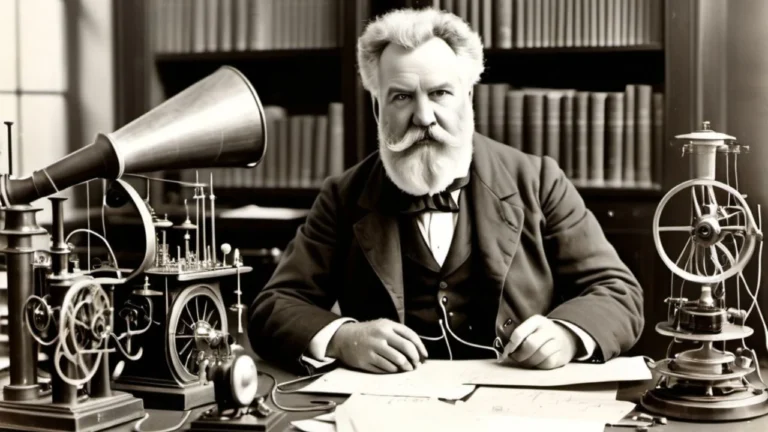
When Alexander Graham Bell spoke those words into his experimental telephone, he could not have known that he had just started a global communication revolution. Before that moment, communication over distance relied on letters, telegraphs, and messengers travelling as fast as a horse could run. Conversations were delayed by hours, days, or sometimes even weeks.
Then suddenly, a human voice travelled through a copper wire.
For the first time in history, distance no longer meant silence.
What began as a crackling voice between two rooms has since evolved into a global communication network that connects billions of people instantly. The journey from Bell’s invention to modern digital communication has transformed the way we live and the way businesses operate.
The Early Days of the Telephone
In the early years of the telephone, making a call was far from simple.
Instead of dialling a number directly, calls were routed manually through switchboards operated by people who physically connected one line to another using cables and plugs. These operators became the human connectors of the communication world, linking homes, offices, and cities together.
This switchboard era helped turn the telephone from an interesting invention into a practical tool for everyday communication. Businesses quickly recognised the value of being able to speak to customers and suppliers instantly rather than waiting days for letters.
Communication was becoming faster and more accessible.
The Rise of the Rotary Dial Phone
As telephone networks expanded, new technology made calling even easier.
The introduction of the rotary dial phone allowed people to dial numbers themselves rather than relying on operators to connect calls. This gave individuals and businesses direct control over their communication.
Telephones soon became common in homes, offices, and reception areas across the country. For businesses, the telephone quickly became a vital tool for customer service, sales enquiries, and internal communication.
The ability to pick up a handset and instantly reach someone changed expectations around speed and responsiveness.
The Mobile Revolution
For many decades telephones were tied to a physical location. You called a house or an office rather than a person.
The introduction of mobile phones completely changed that idea.
Suddenly people were no longer tied to a desk or building. Individuals could be reached wherever they were. Business owners could respond to clients while travelling. Teams could stay connected throughout the working day.
Communication shifted from calling places to calling people.
This flexibility dramatically changed the way businesses operated and paved the way for the modern mobile workforce.
The Digital Communication Era
Today communication has moved far beyond the traditional telephone.
Modern networks allow businesses and individuals to communicate through voice, video, messaging, and collaboration platforms from anywhere in the world. High speed broadband and cloud technology have created an environment where communication is constant and immediate.
We are now connected around the clock.
Video calls allow face to face conversations across continents. Messaging platforms enable quick collaboration between teams. Cloud based phone systems allow businesses to handle calls from multiple locations while maintaining a professional presence.
The copper wires that once carried the world’s first phone calls have now been replaced by fibre networks, wireless signals, and internet based phone systems.
In many ways the telephone has evolved into something much bigger than its original design.
The Human Side of Communication
Despite all the technological progress over the past 150 years, the true purpose of communication has not changed.
Whether it travels through a copper wire, a mobile signal, or a cloud based phone system, the goal remains the same. We want to connect with other people and be understood.
Technology has made communication faster and more convenient, but the value of a real conversation remains just as important as it was in Bell’s time.
A message may pass on information, but a conversation builds relationships.
For businesses, this distinction is particularly important. Clear and reliable communication can shape customer experience, build trust, and strengthen professional relationships.
What This Means for Businesses Today
Modern communication systems allow businesses to operate in ways that would have been unimaginable even a few decades ago.
Teams can work remotely. Customers can reach businesses through multiple channels. Calls can be routed intelligently to ensure clients always speak to the right person.
The tools have changed, but the goal remains the same. Businesses need reliable communication systems that make it easy for customers to connect with them.
Choosing the right technology ensures that every call, message, and interaction reflects professionalism and reliability.
Discover More with Connesso
At Connesso we help businesses in Milton Keynes, Bedford and beyond stay connected with modern, reliable telecoms solutions. From cloud phone systems to business broadband, we help companies communicate better with customers and teams.
Explore more insights on our blog or visit Connesso.co.uk to learn how modern phone systems can support your business.
